
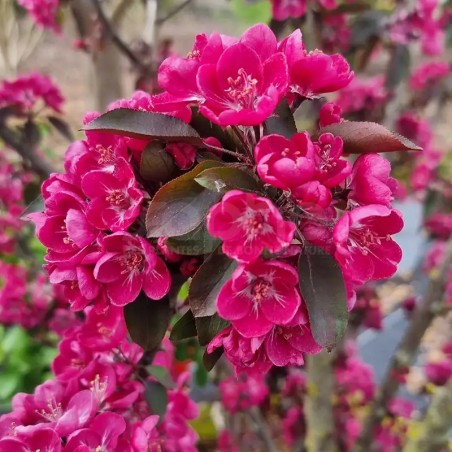
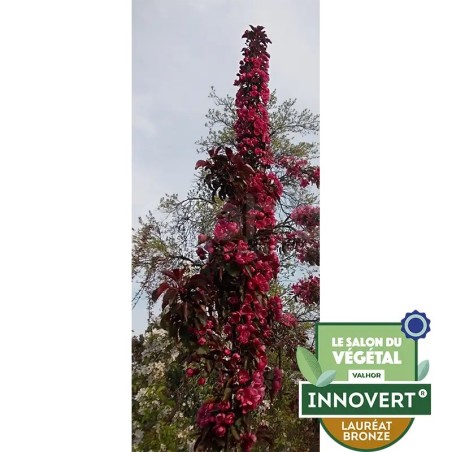
A landmark in the garden!
A columnar habit when young, evolving into a pyramidal form
Young, purple foliage that turns dark green
Spectacular intense red flowering in bud, evolving to carmine pink
Numerous plum-sized, purplish-red fruits with red flesh persist until late autumn
Its initial columnar shape evolves into a pyramid shape with age, making it ideal for small spaces
Award:
INNOVERT 2026– Bronze winner – Salon du Végétal 2026
Where to find Sapho plants ?
For young plants
You will find the names of Sapho-licensed nurserymen at the bottom of each variety sheet.
For available plants
Please ask your nursery suppliers.
Each licensed propagator is free to market his young plants to all his customers.
Categories
Menu
All our varieties
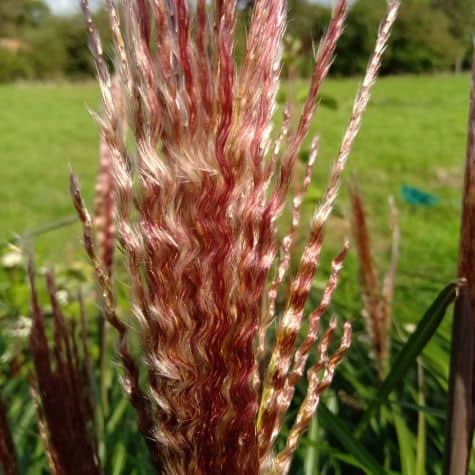
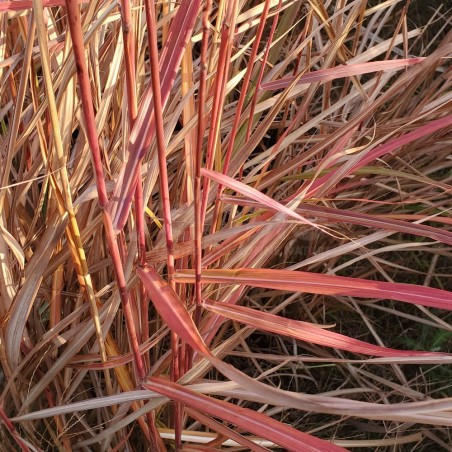
A flamboyant Miscanthus in late summer
This grass has red flowers with pink highlights, appearing in summer and providing a superb contrast to its dark green foliage with silvery-white stripes.
In autumn, the colors of the stems and foliage change to reddish tones.
It's a strong, vigorous plant, with dense branching from an early age.
It can be used as an isolated plant, in a bed or as a plant screen.
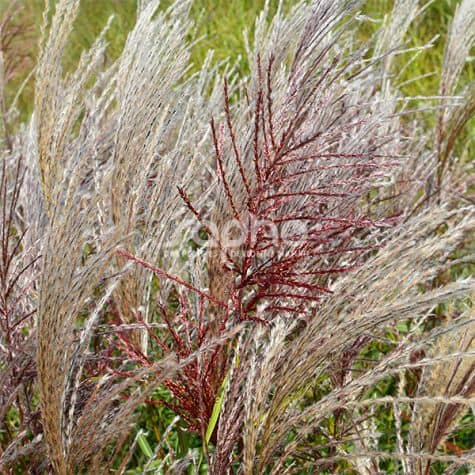
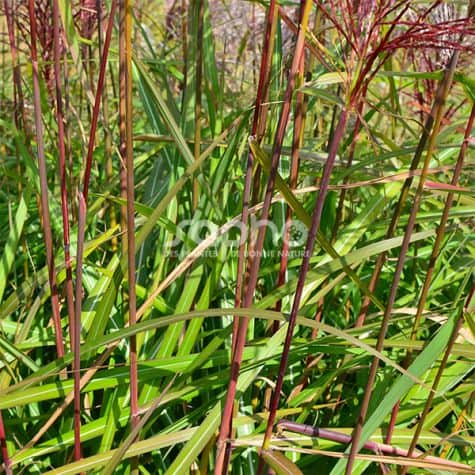
A beautiful red autumn colour that lasts until the coldest weather
This grass has a red spike-like bloom that appears in summer, contrasting with its green, white-ribbed foliage.
In autumn, the foliage and stems take on an intense, long-lasting reddish hue.
Miscanthus can be used in the ground, as an isolated plant, in a bed or as a plant screen.
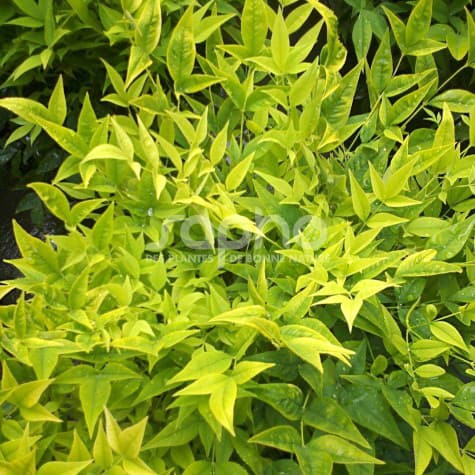
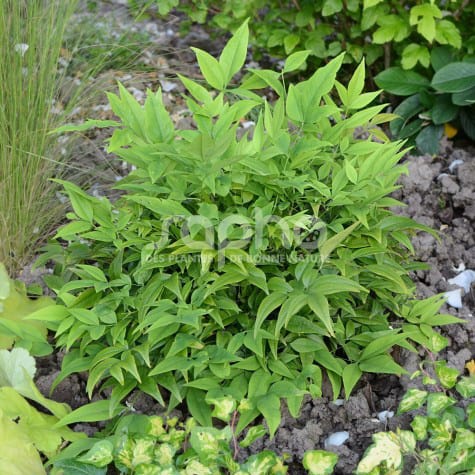
In springtime its chartreuse coloured leaves are very attractiveA Nandina with a brand-new colour! The new shoots are yellow-green, chartreuse or also lime green and very bright. In full sun the outer leaves keep their chartreuse colour, whereas the inner leaves turn light green.Its shape is very interesting, forming a bushy and branched little shrub of under 1 m, like a ball.It never flowers, or very seldom.Recommended to illuminate the darker parts of the garden in the spring, it also accepts to be grown in pots.Trophies: Gold medal at PLANTARIUM 2014 (Boskoop - NETHERLANDS)Honored with a Retailer's Choice Award™ at SNA 2014
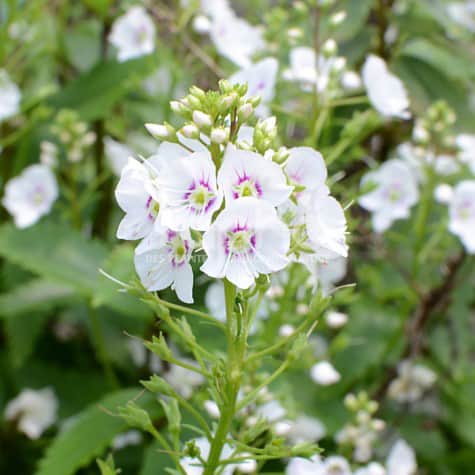
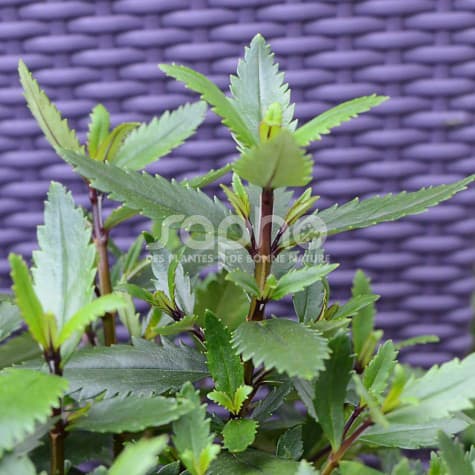
A deep foliage, abundant and delicate white flowers all summer longOriginating in New Zealand, this evergreen selection is hardy down to -12° C.It's leathery, regularly toothed leaves are first tender green, changing afterwards to a pretty dark green. The young stems are purple-brown.'Avalanche' is very floriferous from June to September. It covers itself in a cloud of simple, small white flowers with a purple center, standing out well on the foliage.Its long summer flowering, a quick growth and bushy shape make this variety an ideal plant for small spaces and pots.
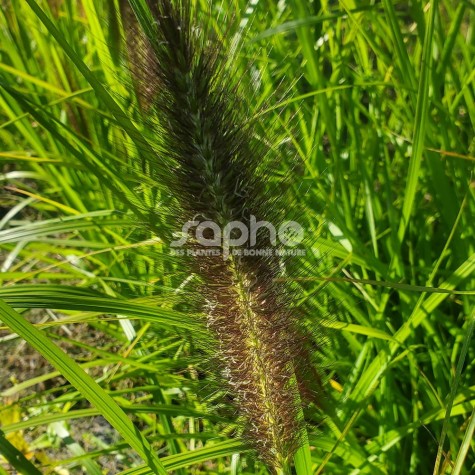
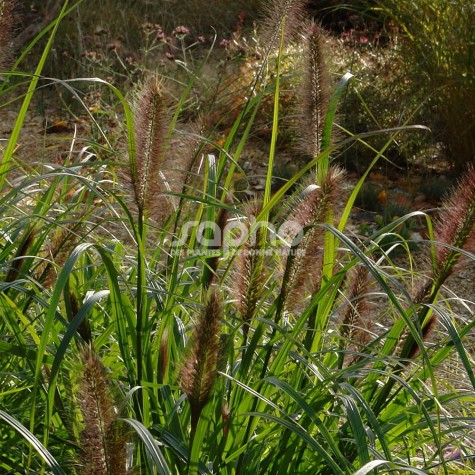
Charming black panicles contrasting with a green foliage
This variety of pennisetum has large, red-tinged spikes that turn purple-black.
The spikes appear abundantly, covering the entire plant from summer to late autumn.
It forms a rounded clump with narrow, glossy green foliage.
Use in beds, in association with other perennials or shrubs.
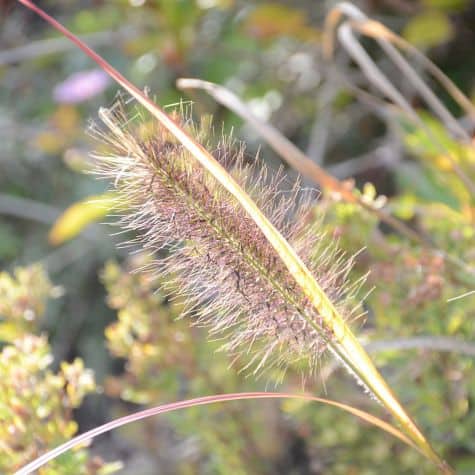
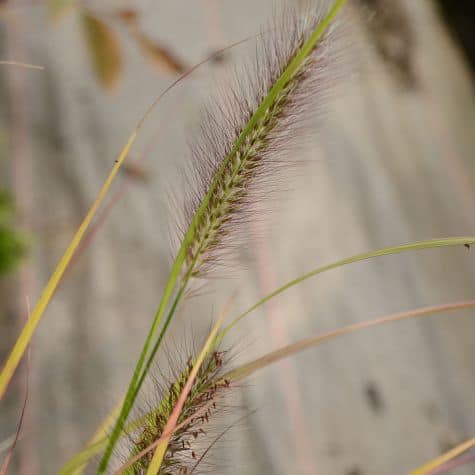
Red-purple green foliage, an original color for a Pennisetum!
This perennial grass's foliage takes on magnificent red hues in late summer and autumn.
Its early flowering remains decorative all summer long, in the form of large spikes.
It has a compact habit, is hardy and requires little water.
It adapts perfectly in combination, in a bed, rockery or tub.


A long, dazzling and fragrant flowering period!
A clear improvement on the Philadelphus x virginalis group
Flowering all along the branches, from mid-May to the end of summer
Large, full double, pure white flowers, with a more intense fragrance
Very healthy foliage throughout the season
A compact, well-branched, harmonious habit, easy to grow, suitable for gardens (even small ones) and pots
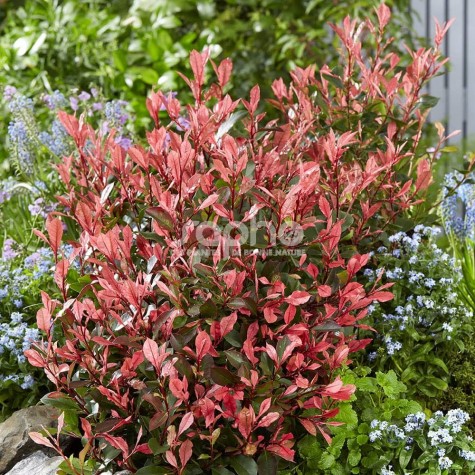
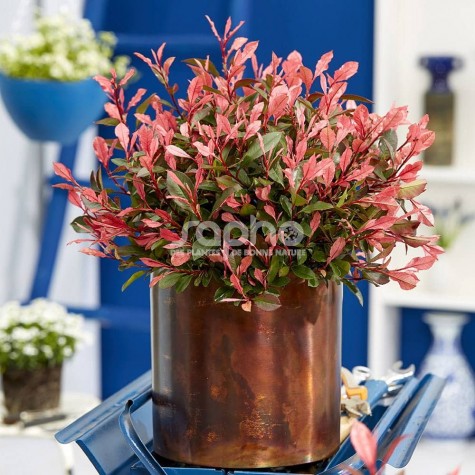
A tiny Photinia full of energy! Made for balconies or low hedges
This variety of photinia is particularly compact and dense-growing, with sturdy stems.
Its dark green foliage contrasts with the bright pink young shoots.
An easy-care plant, it bears pruning well and branches well.
Perfect for pots, balconies or low hedges.
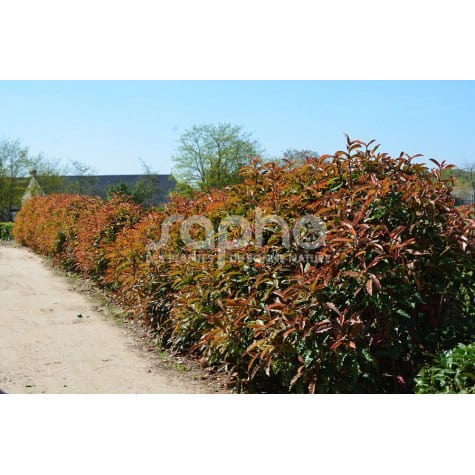
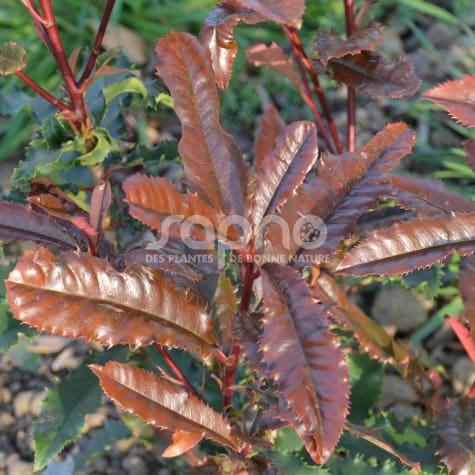
Chocolate coloured and toothed leaves : an original foliage with this new Photinia.The originality of the foliage brings a revival to the Photinia. The leaf blade is ondulated and finely toothed. The young shoots, copper at first, take on the unusual chocolate shade, and then turn dark green.This cultivation, tested in nurseries for several years, performs well: it branches and develops well in containers, its growth is good. Hardy, CRUNCHY® keeps its leaves in winter and has a good resistance to powdery mildew. It is therefore recommended for hedges, with or without clipping.Trophies: FIRST PRICE at FLORMAT - MIFLOR 2014 (Padova - ITALY)
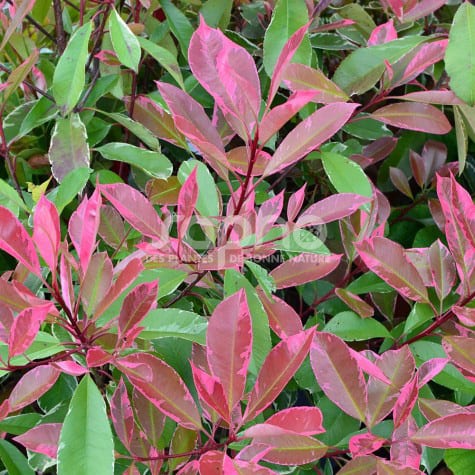
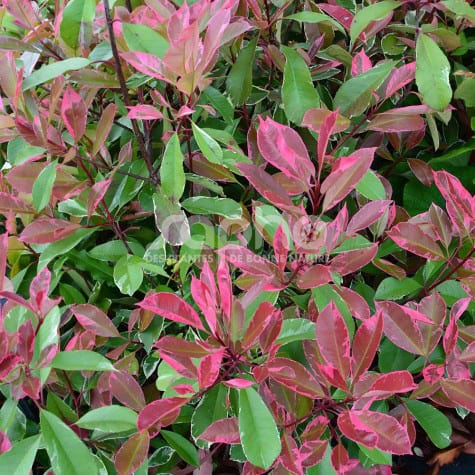
Beautifully mixed colours and an upright and regular formIts variegated foliage brings colour throughout the year. Photinia Louise has also been selected for its vigorous, erect growth and its ample vegetation that's regular, compact and dense. Photinia Louise is a shrub with persistent leaves and changing colours. In spring and autumn the young shoots are bright red spotted with pink.The developing leaves become thick and green, spotted wih creamy white. Its flowers, in May, are quite discreet, forming creamy white umbels. Upkeep is easy as it needs little pruning other than that required by the garden. In a hedge, a mixed bed or as a solitary shrub, 2 to 3 m high, Photinia Louise will enliven a garden throughout the year.
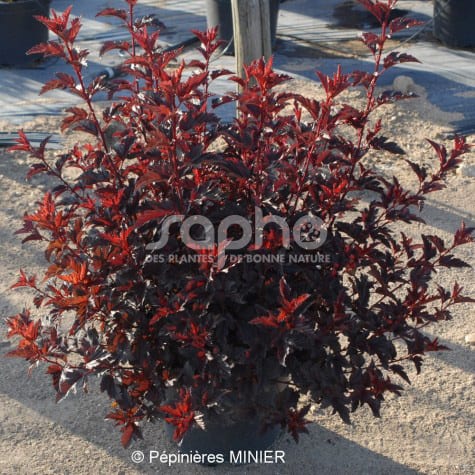
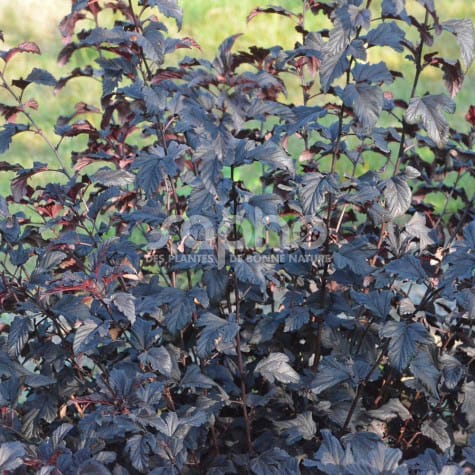
The most dense and the darkest of the Physocarpus with purple foliageALL BLACK® is remarkable because of the colours of its dense foliage: in spring the young shoots are of a beautiful bright red-purple. The leaves then take on a darker shade, turning nearly black.It has a round, bushy, well branched growth. Its dimensions stay very moderate.The small ball shaped, white inflorescences bloom from May to June.They are followed by red fruits in summer. Having a dense shape, the shrub is ideal for small containers, smaller gardens, and border creations.