
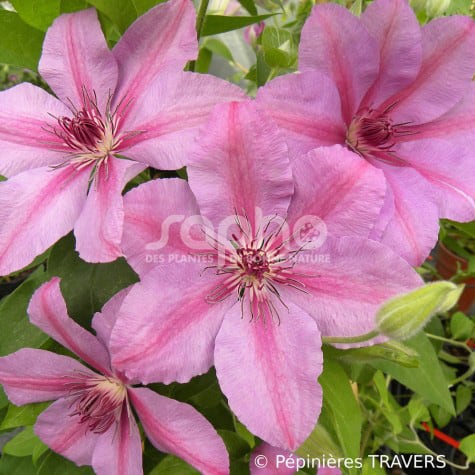
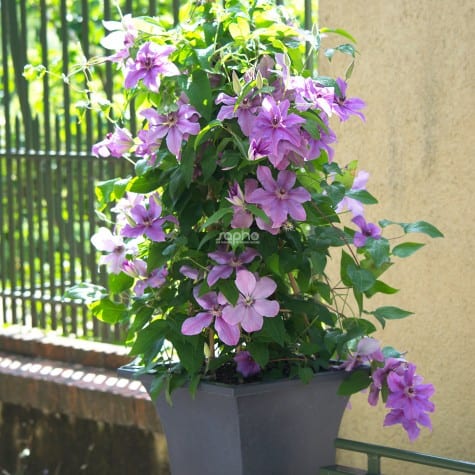
Sweet pink Clematis with very compact shape. Abondant second flowering
The sweet pink flowers of SUCCESS ® Candy appear in April - May - June and renew themselves abundantly until September - October. The shape of this selection is particularly dense.
Trophies:
Bronze medal at Plantarium 2013 (Boskoop - NETHERLANDS)
Filter By
Foliage
Position
Where to find Sapho plants ?
For young plants
You will find the names of Sapho-licensed nurserymen at the bottom of each variety sheet.
For available plants
Please ask your nursery suppliers.
Each licensed propagator is free to market his young plants to all his customers.
Categories
Menu
All our varieties
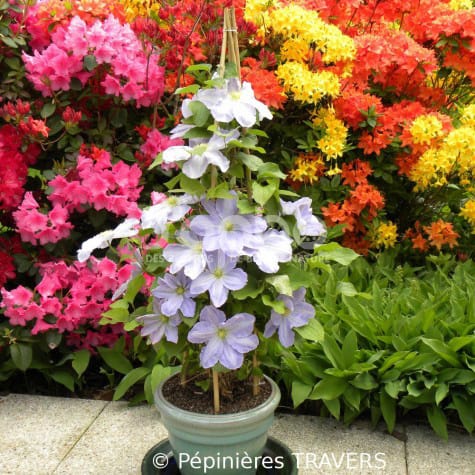
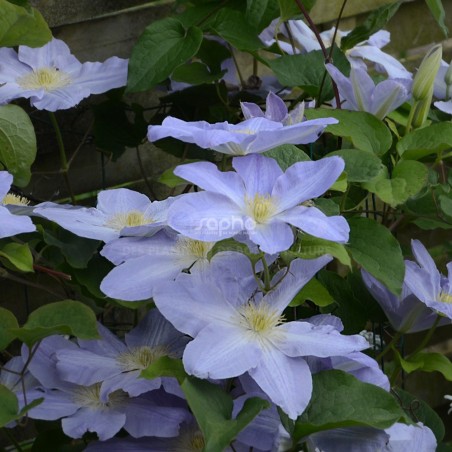
Spectacular flowering, lavender blue from top to bottom, during the spring and summer months.
This variety is exceptional for its ability to flower from top to bottom and for its abundant perpetual flowering. The slightly wavy and interlinked tepals are lavender blue with a wide light blue, almost white, centre line. The 12 to 18 cm wide flowers bloom from April to September - October. The shape is very compact, the height reaches 1.50 m to 2.00 m.
Trophies:
INNOVERT ® bronze medal 2013 Nursery Category (ANGERS - France).
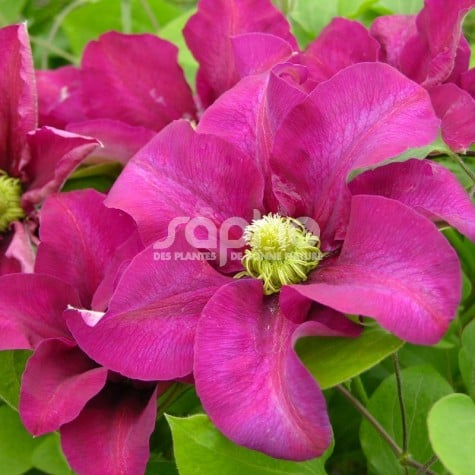
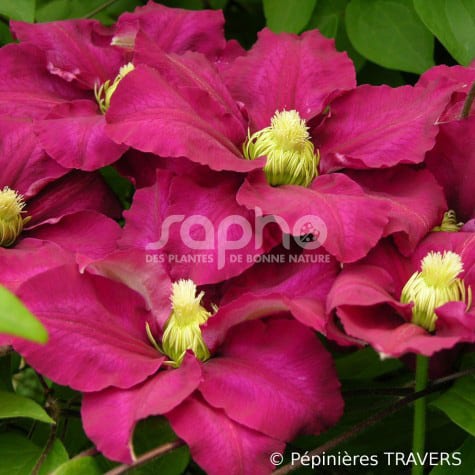
An original contrast : the heart and its volcano of yellow stamen on intensely red tepals
In May-June and again in September, SUCCESS ® Magenta offers an original flowering: a beautiful contrast between the intense red of the tepals, the lemon yellow of the heart and its vulcano of stamen.
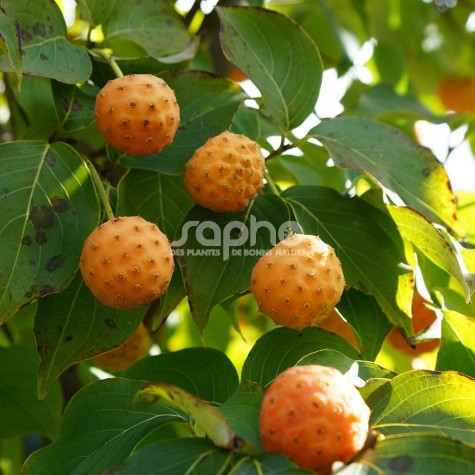
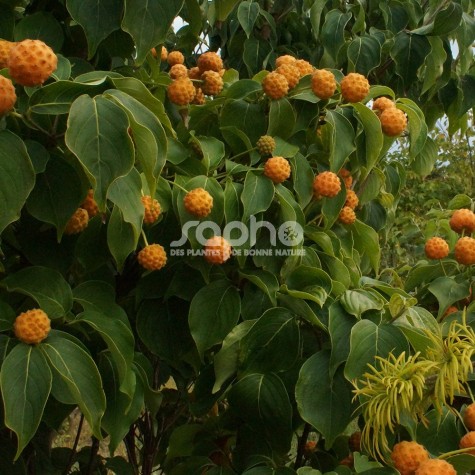
The elegance of Cornus is enhanced by the originality of its fruit
This variety blooms abundantly with white flowers from late May to early June.
Its decorative fruits, visible from afar, have original colors: yellow evolving into pumpkin-orange when ripe.
Its foliage also changes from green to orange-yellow in autumn.
This large shrub is easy to grow and has a flared habit when young.
Ideal as an isolated plant in the garden.
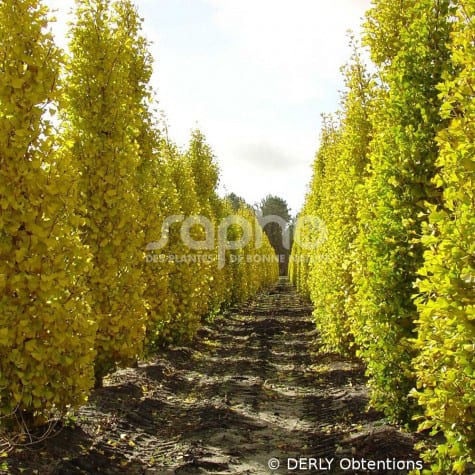
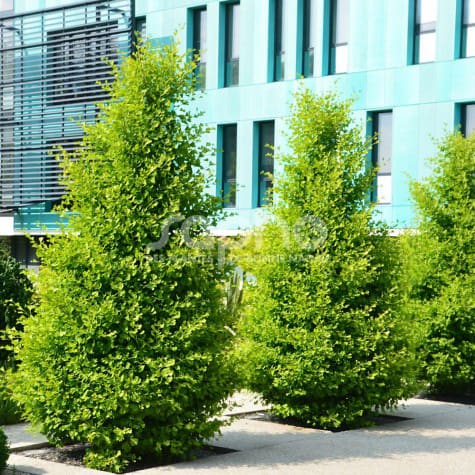
The pyramide shaped maidenhair tree.
Its moderate dimensions and its pyramide shaped even growth allows this beautiful Ginkgo selection to be used in gardens, planted in rows and grown in large containers.'Blagon' is spectacular in the autumn due to its golden yellow colour. For 30 years, the original stock plant has still not told the secret of its «flowers», meaning we still don't know if it is a male of female tree.It is rustic, resistant and adapts well to urban conditions.
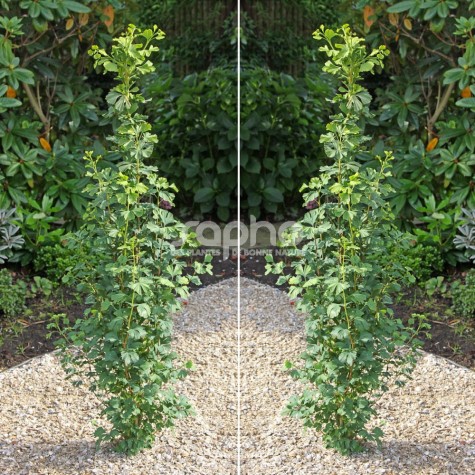
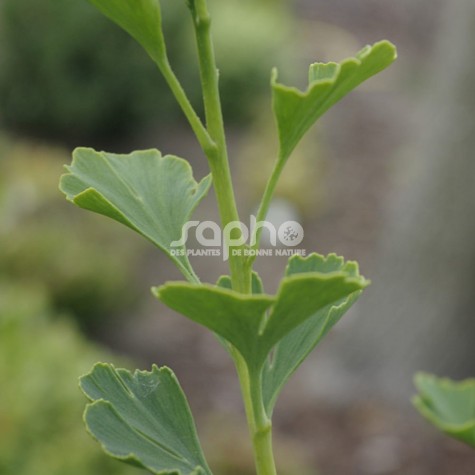
The most narrow of the Ginkgos'Menhir' is of special interest as it is very narrow. Its column shape and its reduced width allow it to be planted in rows or individually, in public parks as well as in smaller gardens.Its growth is vigorous and robust from an early age on.The fairly serrated leaves are of a blue shade of green-grey. Their golden-yellow tint in autumn is long-lasting.A male variety, without production of 'fruit'.
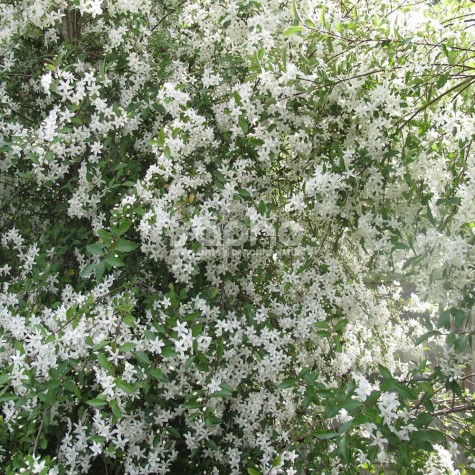
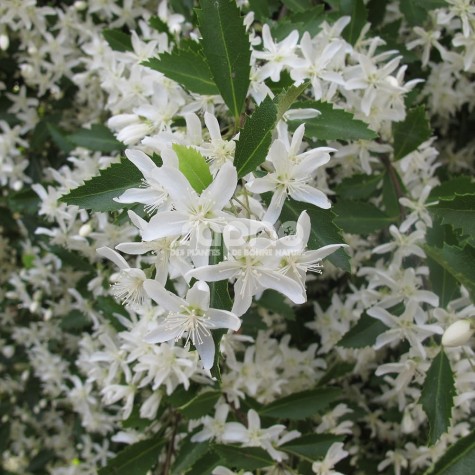
A small, ornamental tree with striking summer flowers
Hoheria sextylosa 'Snow White' is a small tree that keeps its ornamental character throughout the year with its elegant and persistant foliage, its glorious summer flowers and its naturally pyramidal habit. The simple, abundant and delicately perfumed, pure white flowers, resemble those of a cherry tree. The long and clearly toothed leaves are a brilliant green inserted in an attractive, black wood.Hoheria sextylosa 'Snow White' can grow to 4 or 5 metres in 20 years but readily accepts pruning. It may therefore also be used in hedges or maintained as a miniature if necessary.Ideally it prefers a mild, oceanic climate but is nevertheless hardy up to -10°. In colder regions, it's recommended to plant it in sheltered spots, away from cold winds.
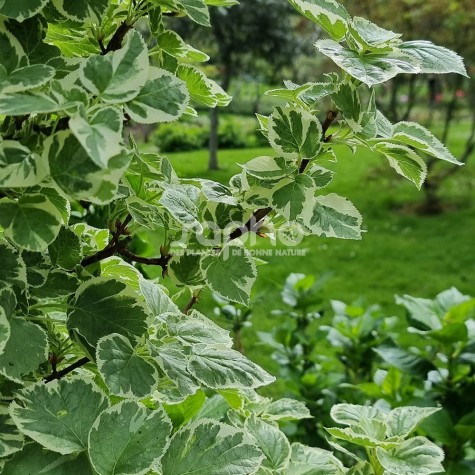
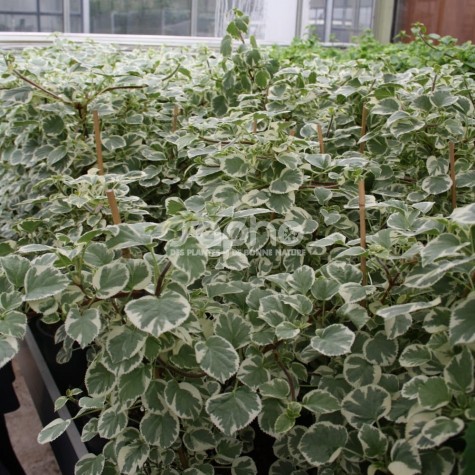
Bright with its green - grey variegated foliage, edged in white'Silver Lining' catches the eye with its dense and bright foliage. The green-grey leaf blade is nicely mixed with paler green, edged in bright white with some overflows towards the interior.In June-July it is covered in big corymbs of fertile flowers encircled with white sterile flowers.It is of medium growth and attaches itself to its support by air roots. It can be trained against a wall or planted as ground cover ; it grows well in tubs.
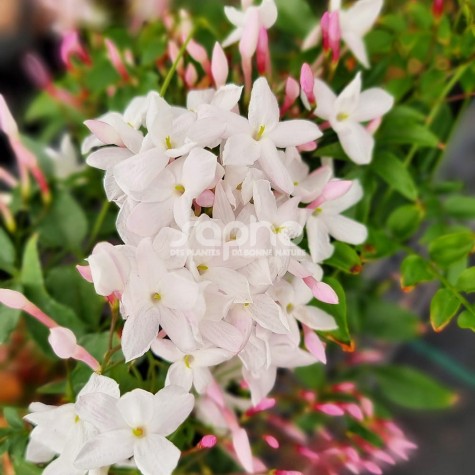
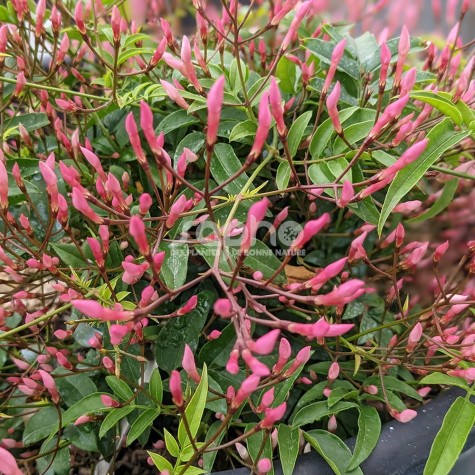
A jasmine with a powerful fragrance and long, generous blooms!
This variety of jasmine is the result of hybridization between jasmine polyanthum and jasmine officinalis.
It blooms abundantly from May until August, with pink buds giving way to large, exquisitely scented white flowers.
This jasmine can be used in the open ground, with a support or on a trellis, or in a large container on a terrace or balcony.
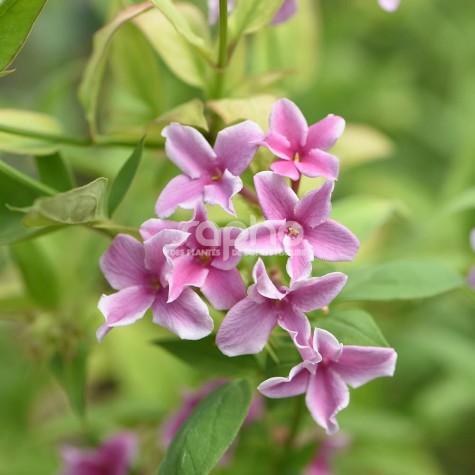
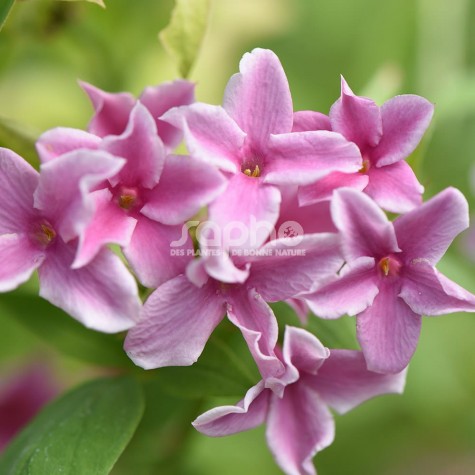
At last, a frost-resistant summer jasmine with large, fragrant pink flowers!
The pretty, abundant flowers of this variety are bicolored: deep pink edged with white, with a sweet fragrance.
This plant is robust and fast-growing.
It is ideal for planting in the ground, on a trellis or in a large container on a terrace or balcony.
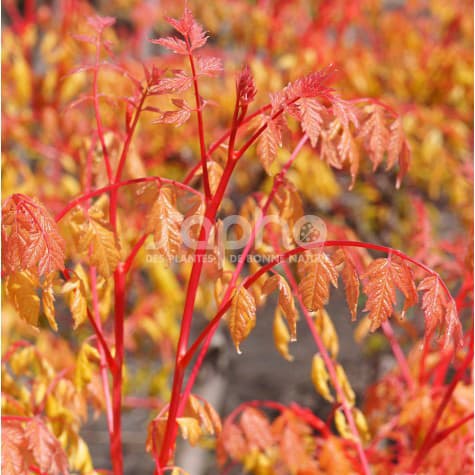
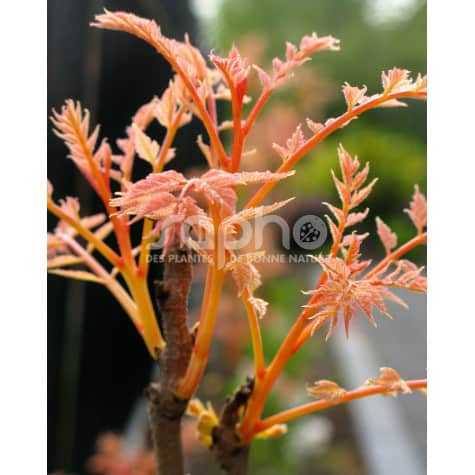
Bright coral - as a tree.
This tree of abour 4 m high is particularly original from spring to autumn.
The spring foliage is of an intense coral. It then takes on a light green tone, contasting with the bright pink to red stalks. Like with the other varieties of soap trees, they are composed and elegantly shaped. The new summer shoots are also coloured, but less flamboyant.
Once the tree is well established, the long yellow grapes of flowers in July are fragrant and very melliferous. They are followed by attractive coral-rose fruit capsules.
Finally the colour of the foliage turns yellow, then orange in autumn.
Grown as small decorative tree or as a bushy shrub, 'Coral Sun' must be planted in a wind-sheltered spot.
Trophies:
Silver Medal at PLANTARIUM 2006 (Boskoop - NETHERLANDS)
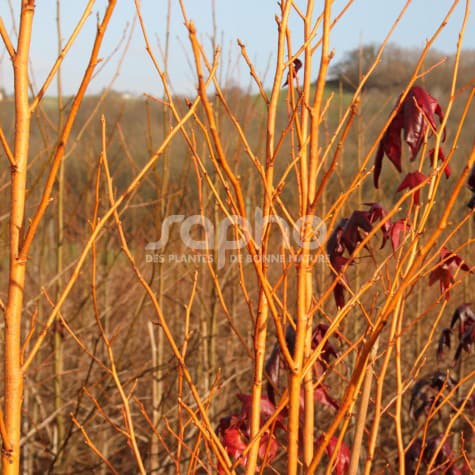
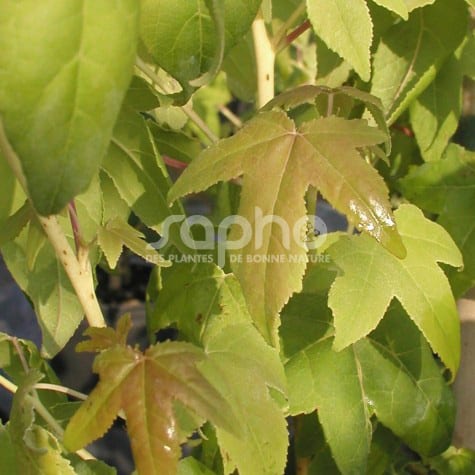
A Liquidambar, bright even in winter.
This tree, which is very original due to its yellow wood, contrasting with its red stalks, is decorative in winter.
Its deciduous foliage, pale yellow in the spring, then green in summer, changes to remarkable red tones in the autumn.
Due to the speed of its medium growth, 'Golden Sun' is a small tree, with an identical shape to the classic American sweet gum tree: even pyramid, with lateral branches growing regularly out of the trunk.
It is as suitable individually grown in smaller gardens, as in rows.