
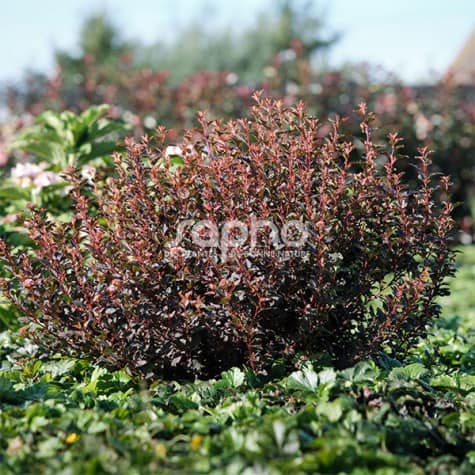
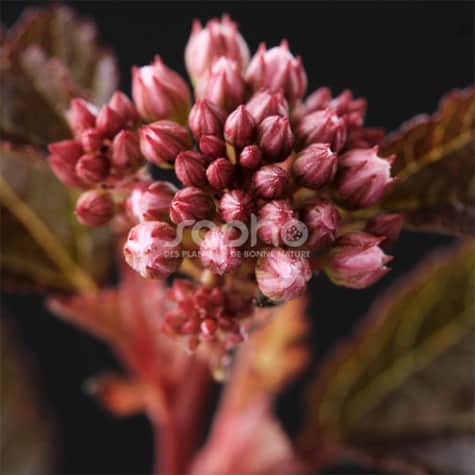
A shrub with cheering flowers in late summer!
Sweet Cherry Tea® is a highly flowering, melliferous physocarpus variety with a compact, upright habit and dense branching that doesn't spread.
Its fine leaves are brightly colored, evolving from orange-red spring foliage to purple. Its dark pink flower buds bloom light pink, with a mid-summer flush of flowers.
It's an easy plant, requiring little maintenance or pruning.
Filter By
Foliage
Where to find Sapho plants ?
For young plants
You will find the names of Sapho-licensed nurserymen at the bottom of each variety sheet.
For available plants
Please ask your nursery suppliers.
Each licensed propagator is free to market his young plants to all his customers.
Categories
Menu
Trees and shrubs
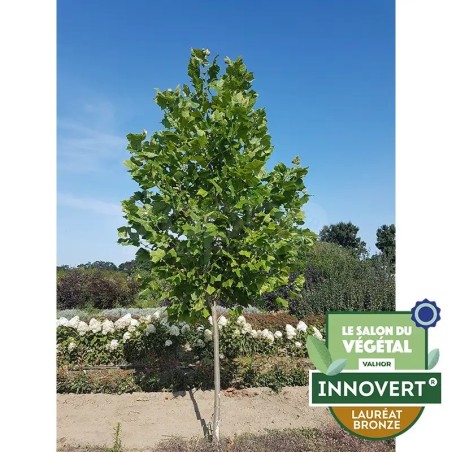
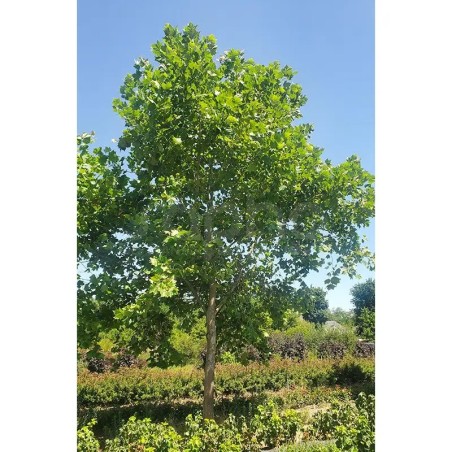
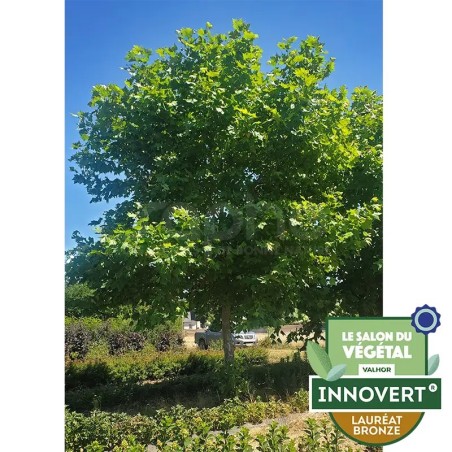
New variety of plane tree resistant to canker stain (Ceratocystis platani) and anthracnose, with a semi-upright habit
The ENDURA® range is the result of 20 years of research and experimentation, a unique collaboration between INRAE and Sapho. The first two varieties will be available as young plants from this autumn 2026. They are resistant to canker stain and anthracnose. They are the result of different cross- breeding, to ensure greater diversity and minimise risks
The Platanus x hispanica ENDURA® Fa 'A17' variety is characterised by a semi-upright habit when young. It forms a narrower crown (compared to the ENDURA® Sol '8R61' variety). Its shape is particularly well suited to dense rows.
Award:
INNOVERT 2026– Bronze winner with a special mention from the jury for the ENDURA® plane tree range – Salon du Végétal 2026
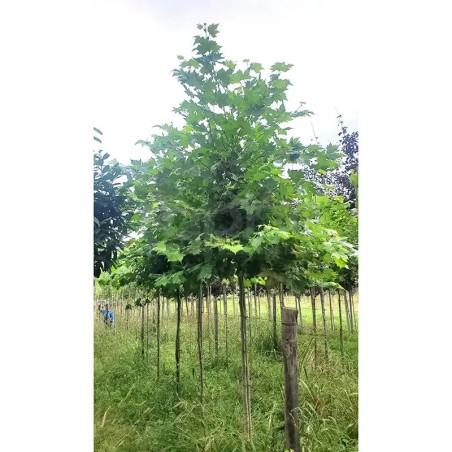
New variety of plane tree resistant to canker stain (Ceratocystis platani) and anthracnose, with a wide crown
The ENDURA® range is the result of 20 years of research and experimentation, a unique collaboration between INRAE and Sapho. The first two varieties will be available as young plants from this autumn 2026. They are resistant to canker stain and anthracnose. They are the result of different cross- breeding, to ensure greater diversity and minimise risks
The Platanus x hispanica ENDURA® Sol '8R61' variety is very vigorous, with a very branched and wider crown (compared to the ENDURA® Fa 'A17' variety); best suited for wider rows or for large shading requirements.
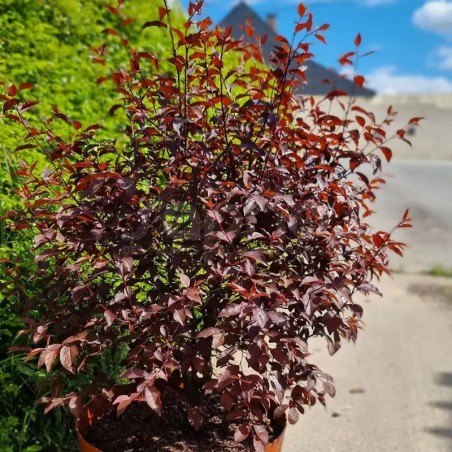
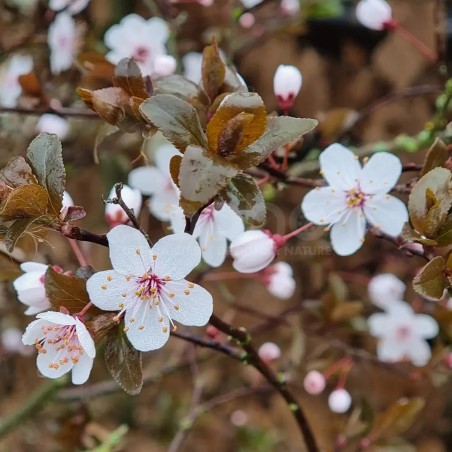
A chocolate-red Prunus for small spaces
A compact, branching habit from a young age
An attractive dark chocolate-red foliage that turns black-red in summer
Creamy white spring flowers that contrast with the foliage
Very hardy and only half the size of the 'Nigra' variety, making it ideal for small spaces and container growing
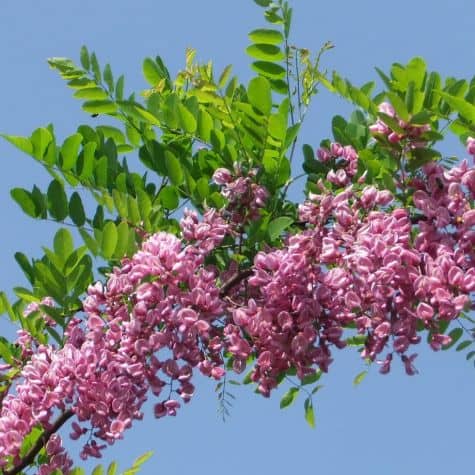
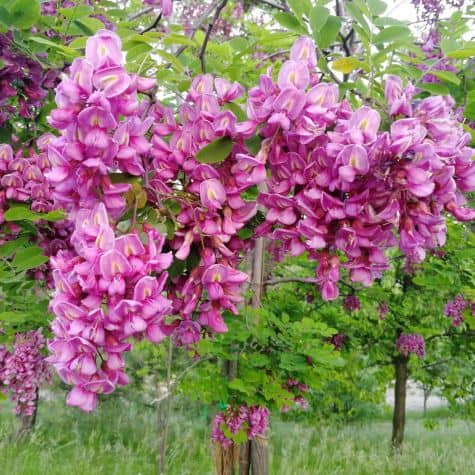
A spectacular improvement of ‘Pink Cascade’
This variety is the result of numerous improvements to the red helmet variety, and has strong, flexible branches (virtually thornless).
Its generous flowering offers large clusters of crimson-pink flowers that are very melliferous.
Resistant to heat, drought, wind and pests, it thrives even in poor soil.
Use as an isolated plant or in the garden.
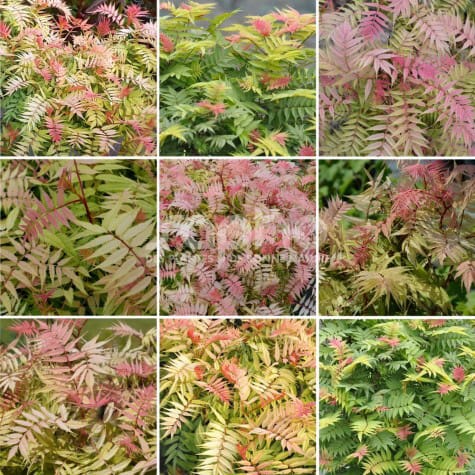

A novelty for the Sorbaria genus : foliage with long lasting colours, a growth that stays compact
Concerning the Sorbaria species, where novelties are rare, PINK HOPI® 'COUSORB05' has been chosen for its qualities, different from those of 'Sem'.The compound, serrated foliage is delicate, light and harmoniously layered. It is a remarkable plant, due to its young variegated shoots which are red, pink and cream, then veined with white. Bud burst is extremely precocious, starting in early March. The shoots withstand the cold (at least up to -3° C). The colourful period lasts a month longer than in the traditional varieties, the shrub shines until the end of Mai. Later, in the summer, the foliage turns green.The shape of PINK HOPI® has the additional advantage of staying compact and this selection produces less suckers. Its dense foliage makes it a good ground cover.The white flower panicles bloom in June - July.The shrub does not need any maintenance (neither treating nor pruning). It is very hardy.
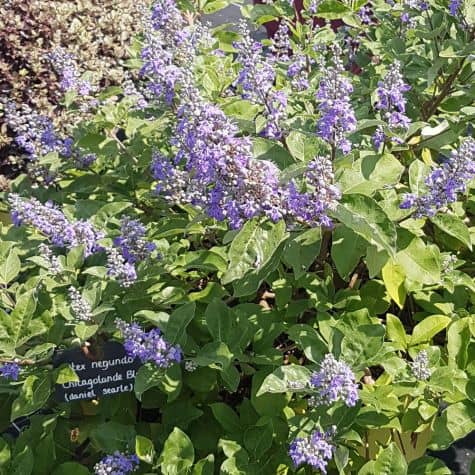
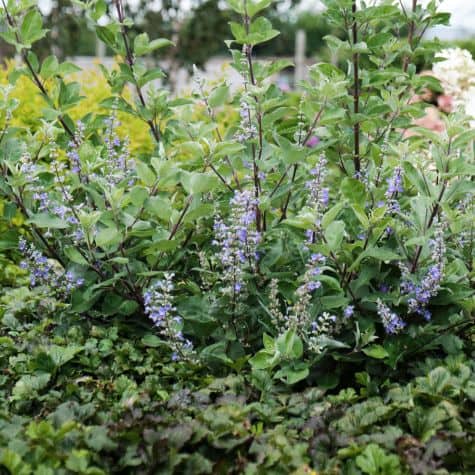
A new hybrid chaste tree, created at the Chicago Botanical Garden, very resistant to cold
This very unusual shrub (wide and compact) has satin-finish foliage with a mix of round, simple and three-pinnate leaves.
Its long, dark-blue flowers are borne on darker stems. They are highly melliferous, attracting pollinators to your garden.
It is particularly resistant to pests, cold and drought, making it ideal for small gardens in sunny locations.