
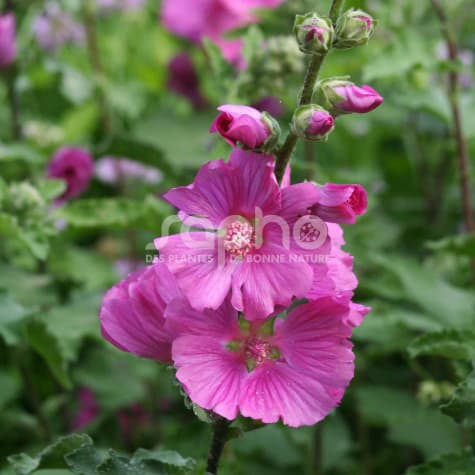
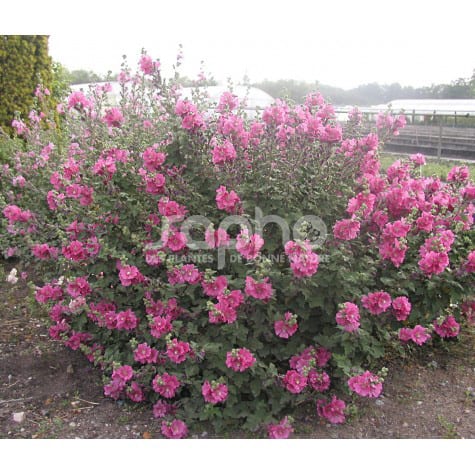
A bright lavatera for the beginning of summer.Deriving from the Lavatera olbia 'Rosea', CHAMALLOW® shows a certain orginality compared to the classic varieties of Lavatera. This selection has a particularly compact, bushy and rounded growth. Its light green, slightly velvety foliage stays healthy. These qualities make it interesting for growing in containers.In July - August, the straight branches have deep pink flowers. They are of medium size with even darker pink stripes.To be planted in flowering hedges or in beds, together with shrubs and perennials.
Filter By
Foliage
Where to find Sapho plants ?
For young plants
You will find the names of Sapho-licensed nurserymen at the bottom of each variety sheet.
For available plants
Please ask your nursery suppliers.
Each licensed propagator is free to market his young plants to all his customers.
Categories
Menu
Trees and shrubs
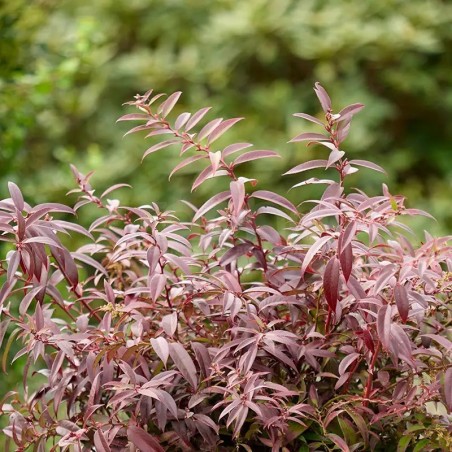
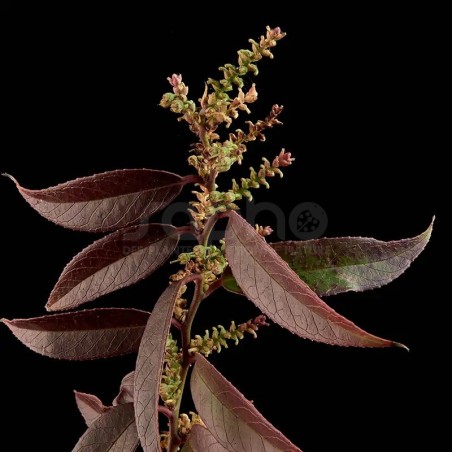
Beautiful evergreen foliage with changing colours
Young flamboyant red shoots contrasting with glossy green foliage
In autumn, the entire plant takes on deep wine-red autumn colours that persist throughout the winter
Selected by a nurseryman for its ease of cultivation, it grows well and is healthy
Interesting all year round, ideal for undergrowth or shady slopes, can also be planted in tubs or pots
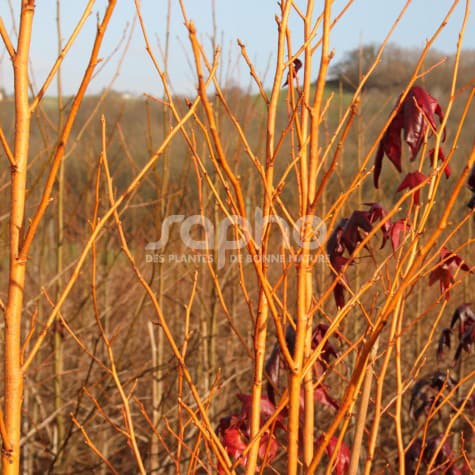
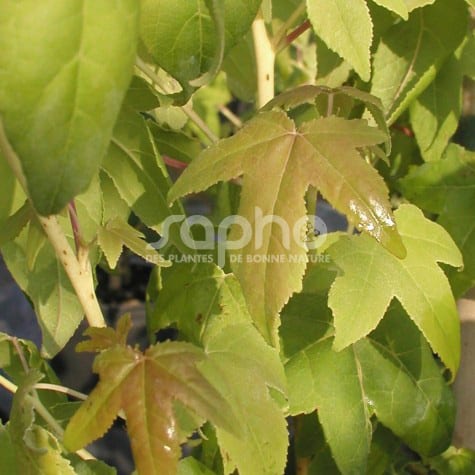
A Liquidambar, bright even in winter.
This tree, which is very original due to its yellow wood, contrasting with its red stalks, is decorative in winter.
Its deciduous foliage, pale yellow in the spring, then green in summer, changes to remarkable red tones in the autumn.
Due to the speed of its medium growth, 'Golden Sun' is a small tree, with an identical shape to the classic American sweet gum tree: even pyramid, with lateral branches growing regularly out of the trunk.
It is as suitable individually grown in smaller gardens, as in rows.
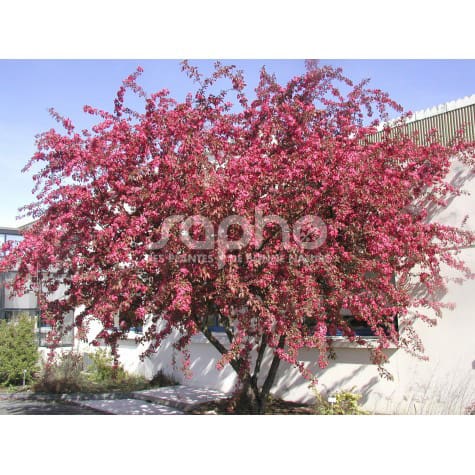
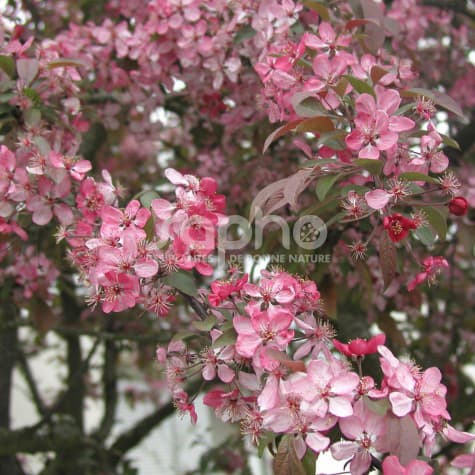
An ornamental apple tree for the town or the country.This tree is of semi-spreading shape, reaching a height of 3 to 4meters in ten years and has a harmonious form, which it keeps without the necessity of pruning. Its leaves and branches are purple.The violet-pink flowers blossom in April - May along the whole length of the branches, and the purple fruits appear in autumn.COCCINELLA® has also been chosen by the INRAE selectors for its resistance to the major diseases such as fire blight, scab and mildew.Grown to a full standard, COCCINELLA® has the asset of a small town tree; grown in clumps, its foliage and fruit are appreciated in mixed countryside hedges or in shrub borders.
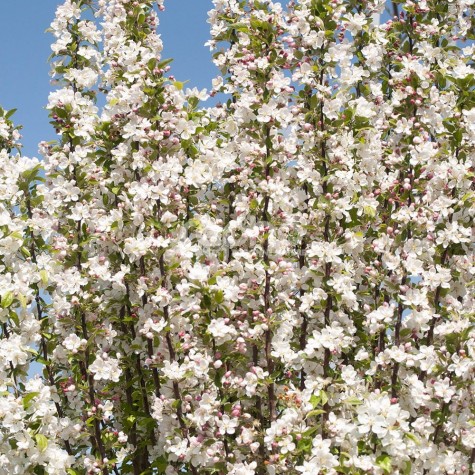
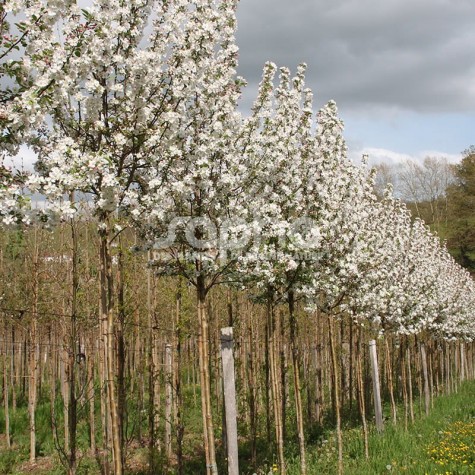
Naturally a STAR since its creation.
This tree is of semi-spreading growth, reaching a height of 3 to 4m in ten years and has a harmonious shape, which it keeps without the necessity of pruning. Its foliage is green.
In April, 'Evereste' covers itself in bright pink flower buds, which bloom as pure white bouquets of flowers. The quality and the abundance of its pollen make it an ideal pollinator, precious for fruit growers (in proportion of 6 - 8% of all varieties of early or semi-early flowering).
The cherry sized fruits are orange with thin red stripes. They apprear in autumn and have the particularity to last well into winter.
'Evereste' has also been chosen by the INRAE selectors for its resistance to the major diseases such as fire blight, scab and mildew.
Nearly a million plants have been sold in Europe since its creation in 1974.
Its ornamental qualities, its reasonable dimensions and its easy care make it an excellent small urban tree if grown full standard; in clumps it is very valuable in the composition of flowering hedges and in shrub borders.
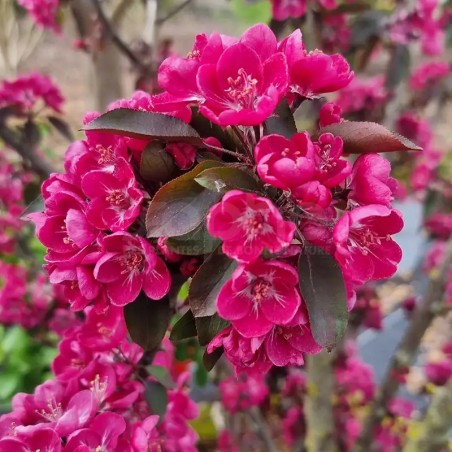
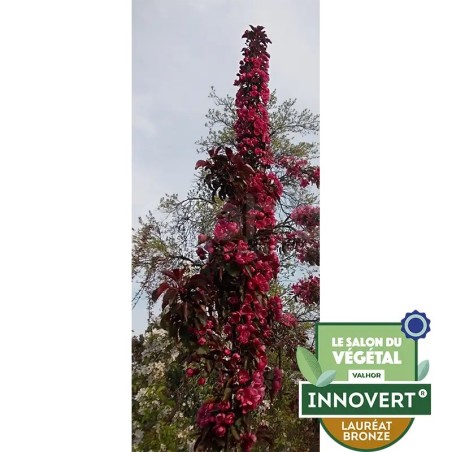
A landmark in the garden!
A columnar habit when young, evolving into a pyramidal form
Young, purple foliage that turns dark green
Spectacular intense red flowering in bud, evolving to carmine pink
Numerous plum-sized, purplish-red fruits with red flesh persist until late autumn
Its initial columnar shape evolves into a pyramid shape with age, making it ideal for small spaces
Award:
INNOVERT 2026– Bronze winner – Salon du Végétal 2026
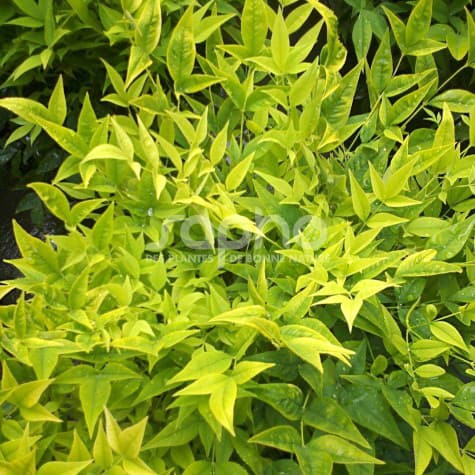
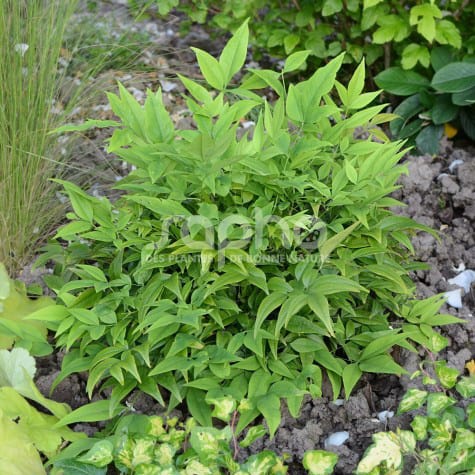
In springtime its chartreuse coloured leaves are very attractiveA Nandina with a brand-new colour! The new shoots are yellow-green, chartreuse or also lime green and very bright. In full sun the outer leaves keep their chartreuse colour, whereas the inner leaves turn light green.Its shape is very interesting, forming a bushy and branched little shrub of under 1 m, like a ball.It never flowers, or very seldom.Recommended to illuminate the darker parts of the garden in the spring, it also accepts to be grown in pots.Trophies: Gold medal at PLANTARIUM 2014 (Boskoop - NETHERLANDS)Honored with a Retailer's Choice Award™ at SNA 2014
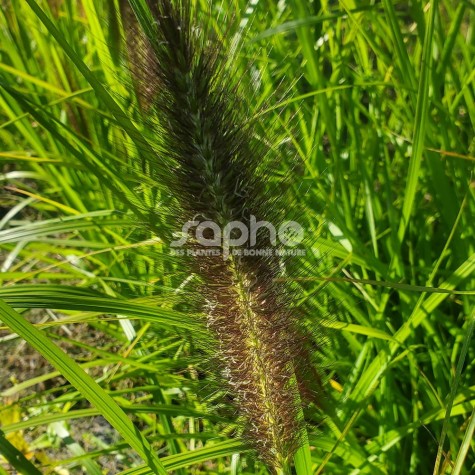
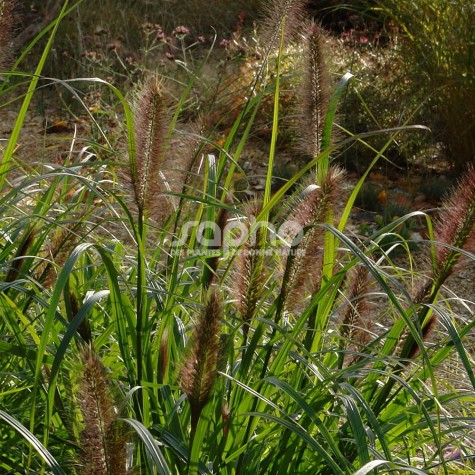
Charming black panicles contrasting with a green foliage
This variety of pennisetum has large, red-tinged spikes that turn purple-black.
The spikes appear abundantly, covering the entire plant from summer to late autumn.
It forms a rounded clump with narrow, glossy green foliage.
Use in beds, in association with other perennials or shrubs.
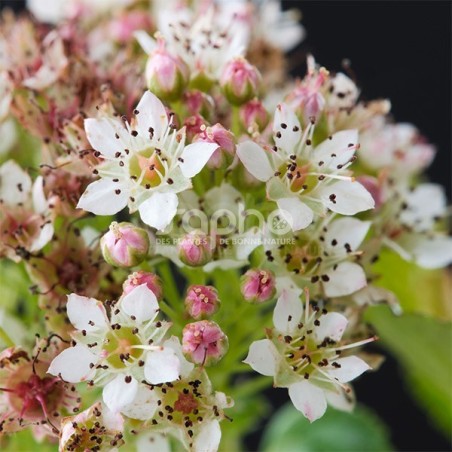
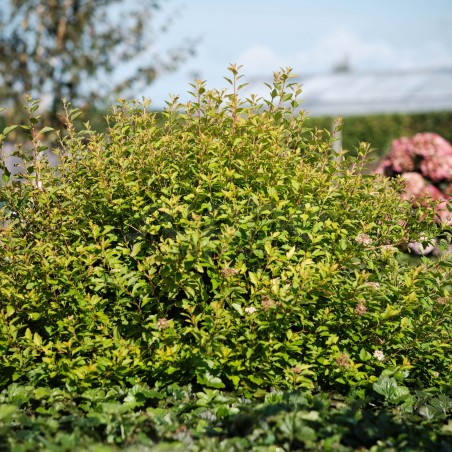
A physocarpus with golden foliage
Raspberry Lemonade® is a highly flowering, melliferous physocarpus variety with a compact, upright habit and dense branching that doesn't spread.
Its fine, golden-green leaves do not burn in the sun. Its white blossoms are followed by small, brightly-colored coral-red fruits.
It's an easy plant, requiring little maintenance or pruning.
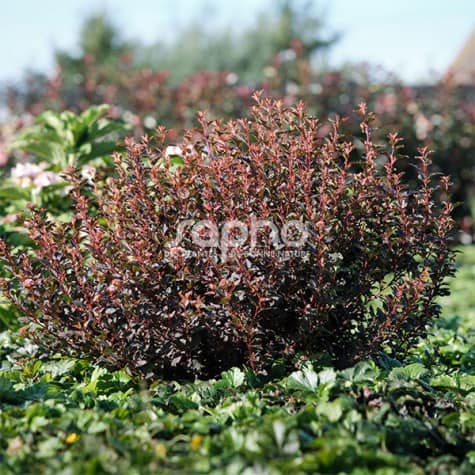
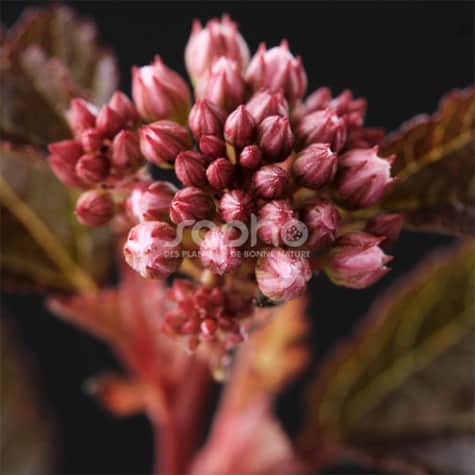
A shrub with cheering flowers in late summer!
Sweet Cherry Tea® is a highly flowering, melliferous physocarpus variety with a compact, upright habit and dense branching that doesn't spread.
Its fine leaves are brightly colored, evolving from orange-red spring foliage to purple. Its dark pink flower buds bloom light pink, with a mid-summer flush of flowers.
It's an easy plant, requiring little maintenance or pruning.
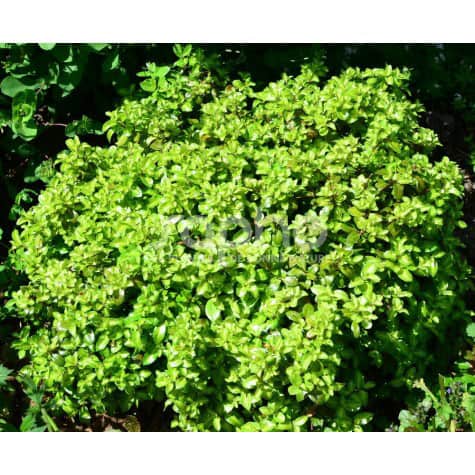
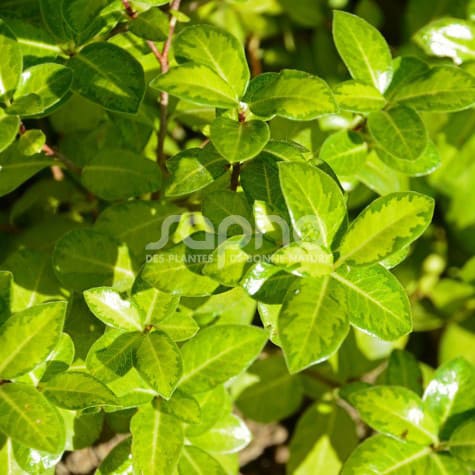
A golden ball for low hedges or in isolationThe variety 'Golden Ball' has very brilliant golden foliage. In its period of growth, its young golden-yellow leaves contrast with the older yellow-green leaves edged with a stronger green.Coming from the same breeding than Pittosporum tenuifolium 'Golf Ball', 'Golden Ball' has the same qualities: very dense, it naturally forms a ball of less than one meter. Fast-growing and branching from the base, it can be pruned. 'Golden Ball' is ideal for small spaces and low hedges as well as in pots and for topiary.As it is resistant to drought, wind and seaspray, it provides an alternative to box in temperate and Mediterranean areas. In May and June its small discreet violet-coloured flowers smell of honey.
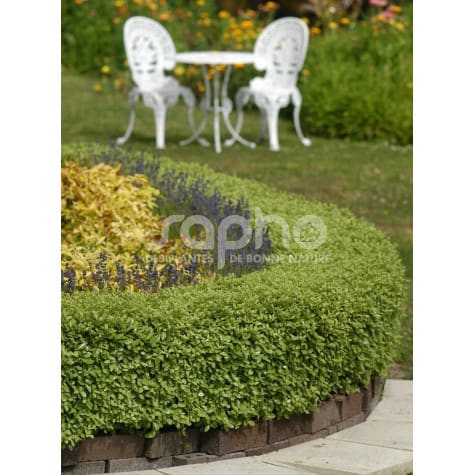
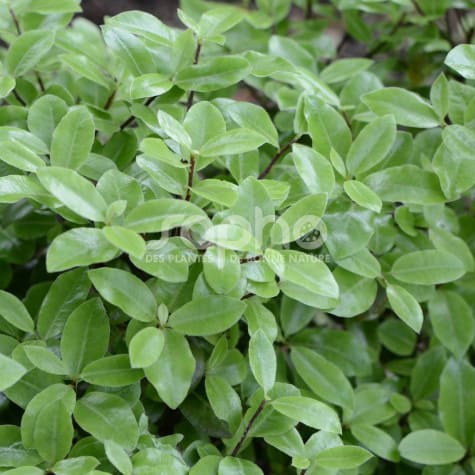
Recommended for its low, naturally ball shaped growthThis cultivar originates from New Zealand.?Golf Ball? has a very round shape, not more than 1 m in dimension. It grows rapidly and stands out by its dense branches from the base upwards.Its evergreen foliage is light green.Discrete violet-brown flowers appear in Mai and June. The have a scent of honey but are of no decorative interest. 'Golf Ball' resists rather well to drought, and to temperatures of -5 to -10° C. It is excellent for the sea side because it accepts mist and wind.Recommended for small areas and low hedges, it is also suitable for pots and as topiary, like box.